Manhattan is not the place you choose for a cheap trip - but it is the place you choose when location matters more than cost. These 3 budget and cheap hotels in Manhattan cover three distinct micro-zones: Times Square, Chelsea, and the Flatiron District. Each offers a different trade-off between price, room size, and street-level noise. This guide breaks down what you actually get, where each property sits, and which one fits your stay.
What It's Like Staying In Manhattan
Manhattan runs on a rhythm that never fully stops - subway trains operate around the clock, foot traffic on Midtown corridors like 7th Avenue or Broadway rarely thins before midnight, and street-level noise from deliveries, sirens, and crowds is the baseline, not the exception. The subway is the real lifeline here, with a single-ride MetroCard costing $2.90 and connecting you to virtually every corner of the borough within 20 minutes. Budget travelers who stay in Midtown or Chelsea gain disproportionate access: Central Park, the High Line, Penn Station, and the Empire State Building are all reachable on foot or in under one subway stop. The trade-off is density - Manhattan hotels at any price point deliver smaller rooms than equivalent-category properties in outer boroughs or other U.S. cities, and the street-level environment around budget properties is rarely quiet.
Pros:
- * Unmatched subway connectivity - most major Manhattan attractions within 20 minutes from Midtown
- * Budget stays in central zones eliminate the cost and time of daily commuting from outer boroughs
- * 24-hour city infrastructure: late arrivals, red-eye departures, and irregular schedules are manageable
Cons:
- * Street noise, especially near Times Square and Penn Station, is persistent day and night
- * Room sizes in budget Manhattan hotels typically run smaller than comparable-priced properties elsewhere in the U.S.
- * Hotel taxes and fees in New York City add meaningfully to the nightly rate shown at booking
Why Choose Cheap & Budget Hotels In Manhattan
Booking a budget hotel in Manhattan is essentially a location bet - you are trading room space and amenities for a central address that saves you transportation costs every day of your stay. Unlike luxury Manhattan hotels where rooms often exceed 300 sq ft, budget properties here commonly deliver studios or standard rooms in the 200-250 sq ft range, sometimes with shared bathrooms in the most affordable tier. The defining advantage of the current Manhattan budget segment is the rise of extended-stay formats: suite hotels with in-room kitchenettes now sit at similar price points to standard rooms, letting guests cut daily food spend significantly in one of the world's most expensive dining cities. Foot traffic and noise are heightened trade-offs - budget properties in Midtown rarely offer the acoustic insulation of higher-end builds, and properties near transit hubs will reflect that in the atmosphere. Price swings in Manhattan are among the steepest of any U.S. city, with the same budget room costing around 40% more during peak demand weeks like New Year's Eve, Thanksgiving, or major events at Madison Square Garden.
Pros:
- * Central Manhattan addresses cut daily transport spend and time compared to staying in outer boroughs
- * Extended-stay suite formats with kitchenettes allow guests to significantly reduce food costs
- * More budget-friendly options concentrate in Chelsea and Midtown South, giving better value per dollar than Midtown North
Cons:
- * Room sizes are noticeably smaller than budget hotels in comparable U.S. cities
- * Noise levels in budget-tier Midtown properties are consistently higher than in quieter neighborhoods like the Upper East Side
- * On-site amenities like pools or full restaurants are largely absent in this category in Manhattan
Practical Booking & Area Strategy
The three properties in this guide cluster around two of Manhattan's most transit-dense corridors. The Times Square area - anchored by W 42nd Street and 7th Avenue - puts guests within a 10-minute walk of Grand Central Terminal, Port Authority Bus Terminal, and Penn Station, which together handle the bulk of regional and interstate travel. The Chelsea and Flatiron zone, centered around 6th Avenue between W 14th and W 28th Streets, is less chaotic than Midtown but still within 4 subway minutes of Times Square via the R, N, or Q lines. Penn Station is the strategic anchor for budget travelers arriving by Amtrak, NJ Transit, or LIRR - properties within 8 walking minutes of it avoid taxi costs entirely on arrival. For attraction access, the Flatiron Building, Madison Square Garden, Rockefeller Center, and Bryant Park are all reachable on foot from any of these three hotels. Book at least 6 weeks ahead if traveling between September and November or during the December holiday window - these are Manhattan's highest-demand periods and budget rooms sell out earliest. January through early March offers the lowest nightly rates and the fewest crowds, though weather will limit outdoor activity.
Best Value Stays
These two properties offer the strongest combination of location and in-room functionality for budget travelers in Manhattan, with kitchenette-equipped suites that reduce reliance on costly NYC dining.
-
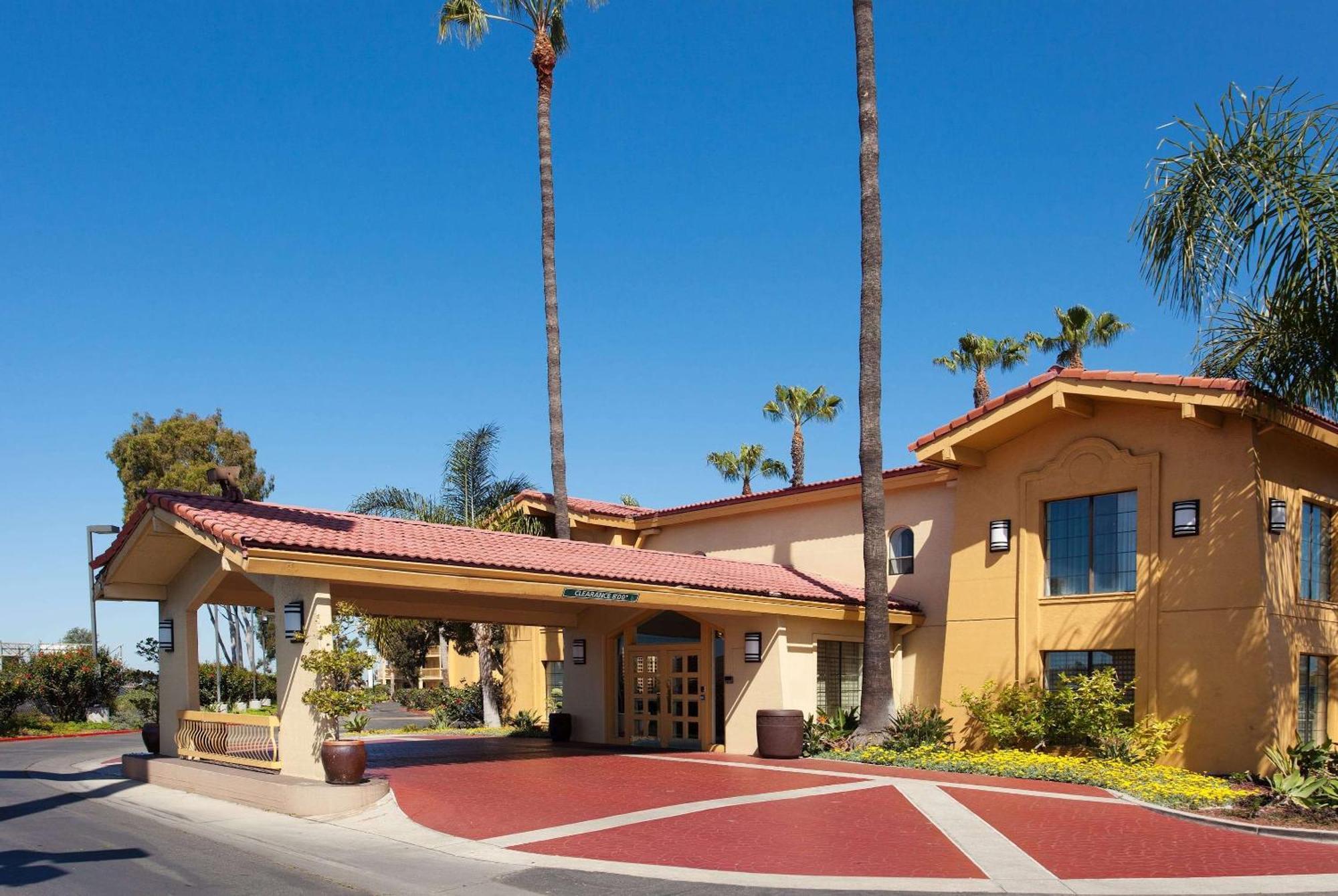
1. Home2 Suites By Hilton New York Times Square
Show on map


 Check-infrom 16:00 until 23:59Check-outuntil 11:00
Just a few rooms left at the best rate!
fromUS$ 169
-
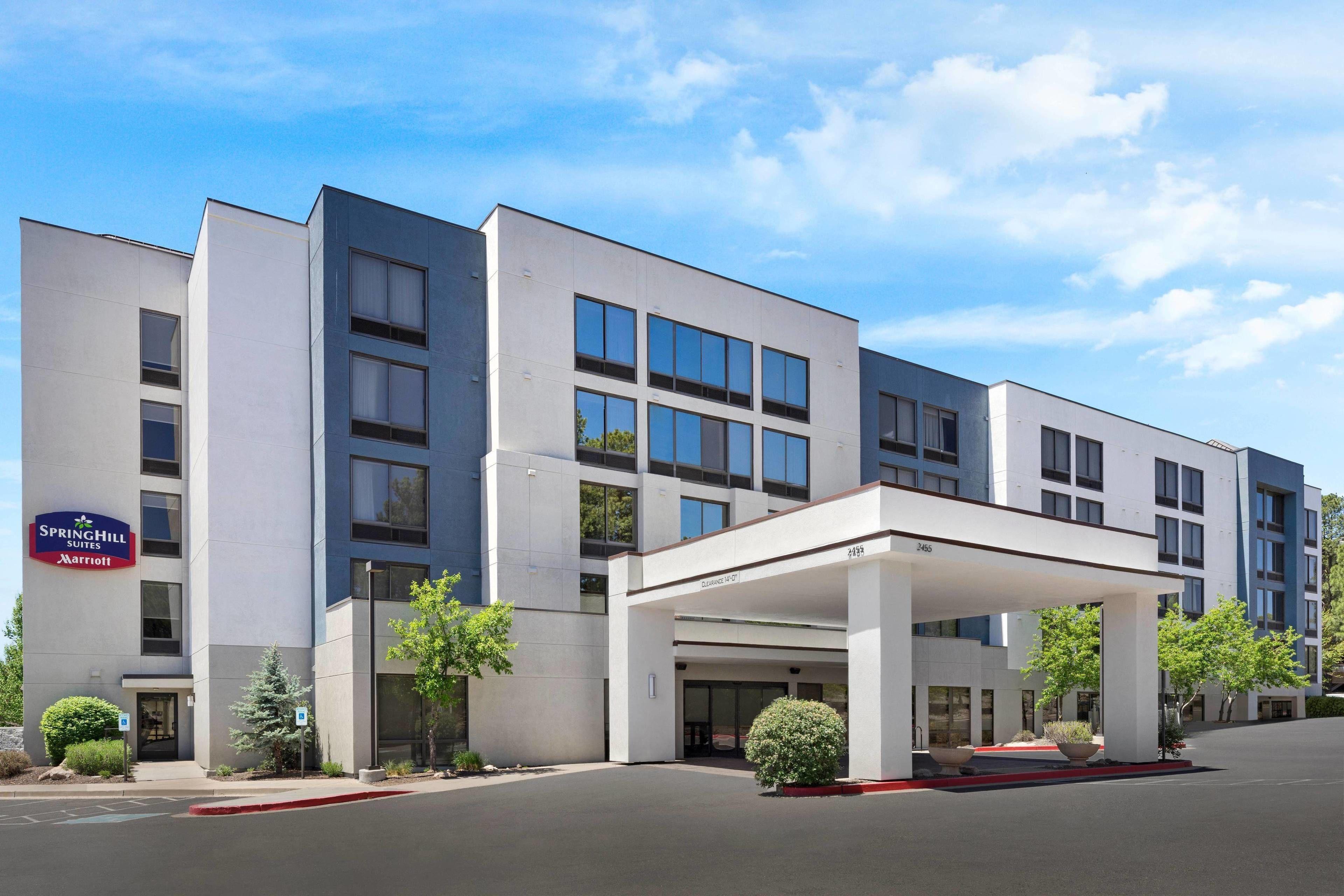
2. Towneplace Suites By Marriott New York Manhattan/Chelsea
Show on map


 Check-infrom 16:00 until 23:59Check-outuntil 11:00
Hurry – almost gone at this price!
fromUS$ 164
Best Budget Option
For travelers prioritizing the lowest nightly rate in a central Manhattan address, this Flatiron District property offers a stripped-back but well-located base with flexible room configurations.
-
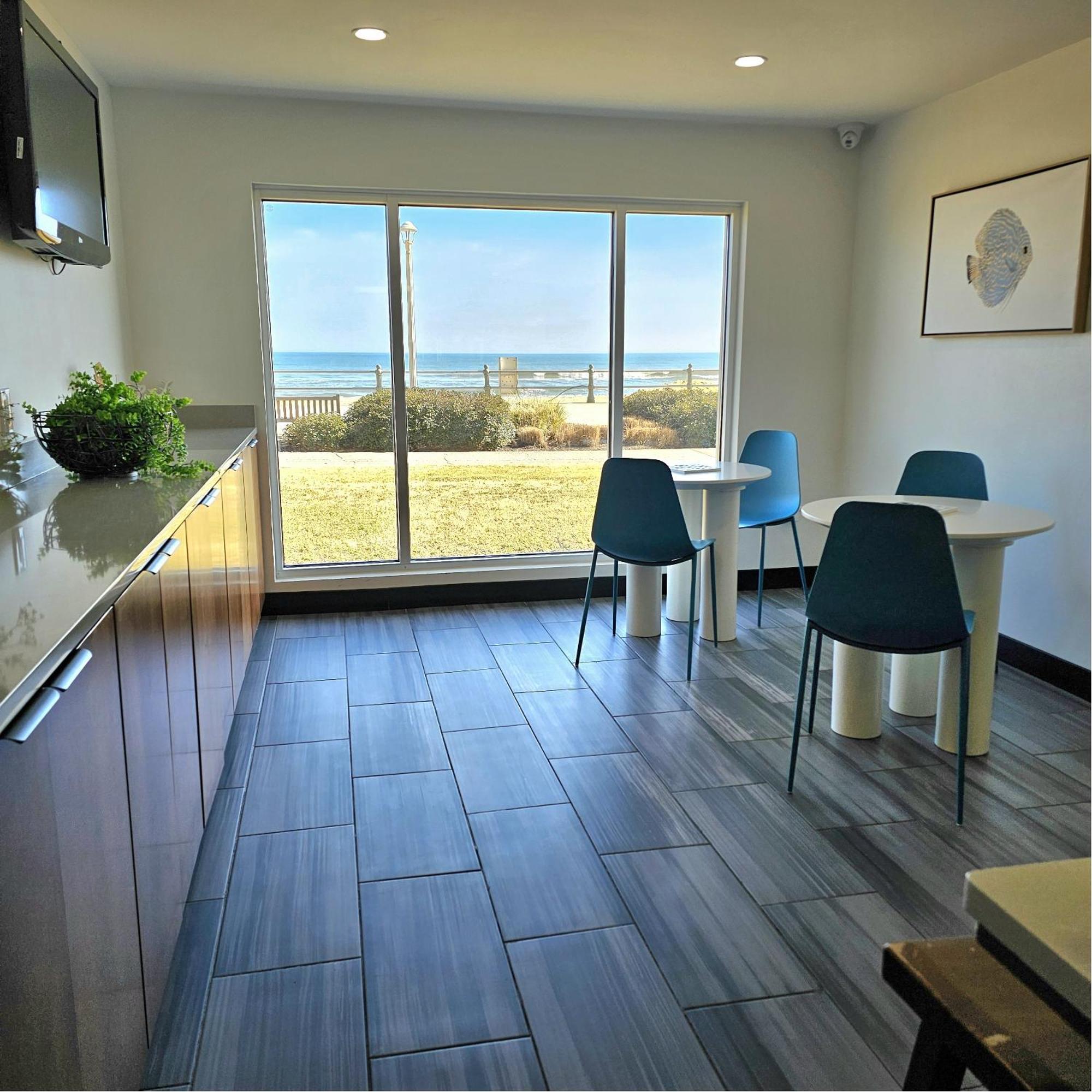
3. The Flat Nyc
Show on map


 Check-infrom 16:00 until 23:30Check-outuntil 11:00
Rooms filling fast – secure the best rate!
fromUS$ 95
Smart Travel & Timing Advice
January through early March is the most reliable window for low nightly rates at Manhattan budget hotels - demand drops sharply after New Year's, and the same rooms that sell out in October or December are frequently available with 1-2 weeks notice. The September-to-November fall window is Manhattan's most competitive booking period: hotel occupancy runs high, budget rooms go first, and prices at all three properties in this guide can spike significantly versus their low-season baseline. For events at Madison Square Garden - which hosts dozens of concerts, NBA games, and NHL games annually - book at least 4 weeks in advance if your dates overlap, as the Chelsea and Flatiron properties are within walking distance and get picked up fast. A minimum stay of 3 nights makes the most practical sense for Manhattan budget hotels with kitchenettes, as the per-night value of self-catering only accumulates over multiple days. Last-minute bookings in peak season almost never yield savings in Manhattan - unlike beach destinations, supply here is finite and demand from business travelers, events, and tourism is year-round.